Wabi-sabi, Japandi and the case for imperfect objects
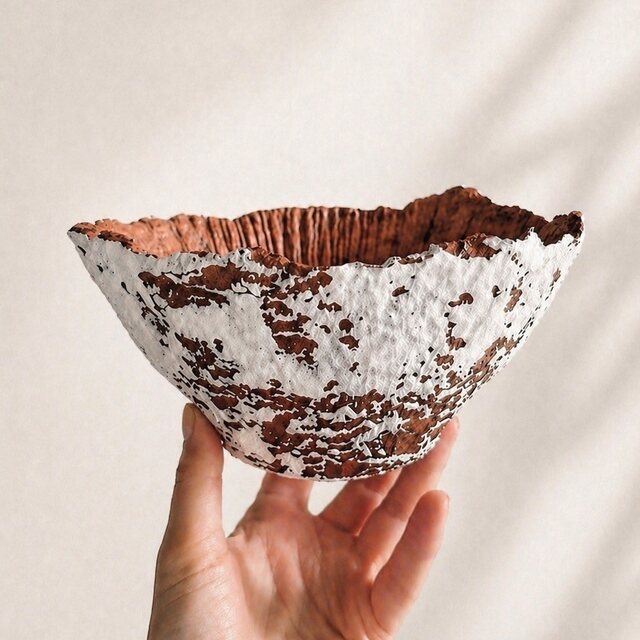
Wabi-sabi gets used to sell everything from candles to countertops, but the idea underneath is simple: things made by hand, marked by time, and honest about both, are more beautiful than things pretending to be perfect.
Two words, one instinct
Wabi-sabi is the old Japanese appreciation of the imperfect and impermanent — the uneven rim, the faded pigment, the repair you can see. Japandi is newer: a blend of Japanese restraint and Scandinavian warmth that has become one of the defining interior styles of this decade. Different vocabularies, same instinct — fewer objects, better ones, each with evidence of a human in it.
Why machine-made minimalism falls flat
Strip a room down to a few factory-perfect objects and it turns cold; the eye finds nothing to rest on. Strip it down to a few handmade ones and it turns calm instead. The difference is surface: a hand-layered lamp shade or a hand-built bowl carries a thousand tiny irregularities that catch light the way skin does. Minimal rooms do not need more things — they need things with texture.
Perfection is a factory setting. Character is handmade.
How to actually style it
Start with a palette pulled from materials, not paint charts: cream, sand, clay, stone, charcoal. Group objects in odd numbers and vary the heights — a tall vessel, a low bowl, a lamp. Leave empty space around each grouping; in wabi-sabi thinking the emptiness is part of the composition. And let one piece be the flaw-carrier: something visibly shaped by hand, like a crackled bowl or an asymmetric pendant, that gives the whole shelf permission to relax.
Light is half the style
Japandi rooms live and die by their lighting. Overhead glare kills the mood; low, warm, diffused light makes it. Paper-based shades are the classic answer — our handmade lighting is built on that idea, with papier-mâché domes and textured shades that glow rather than shine. One warm pendant at the right height does more for a room than any amount of styling.
Buy less, choose slower
The quietest part of both philosophies is patience: an object made to order, arriving in weeks rather than hours, belongs to the room differently. Every piece in our bowls and décor collections is shaped by hand in Yerevan when you order it — slightly imperfect, one of a kind, and better for both.
Like what we make?
Browse the collection, or message us to order or request a custom size and colour.
Message us on Instagram