Papier-mâché lamps: which bulb to use, heat and safety
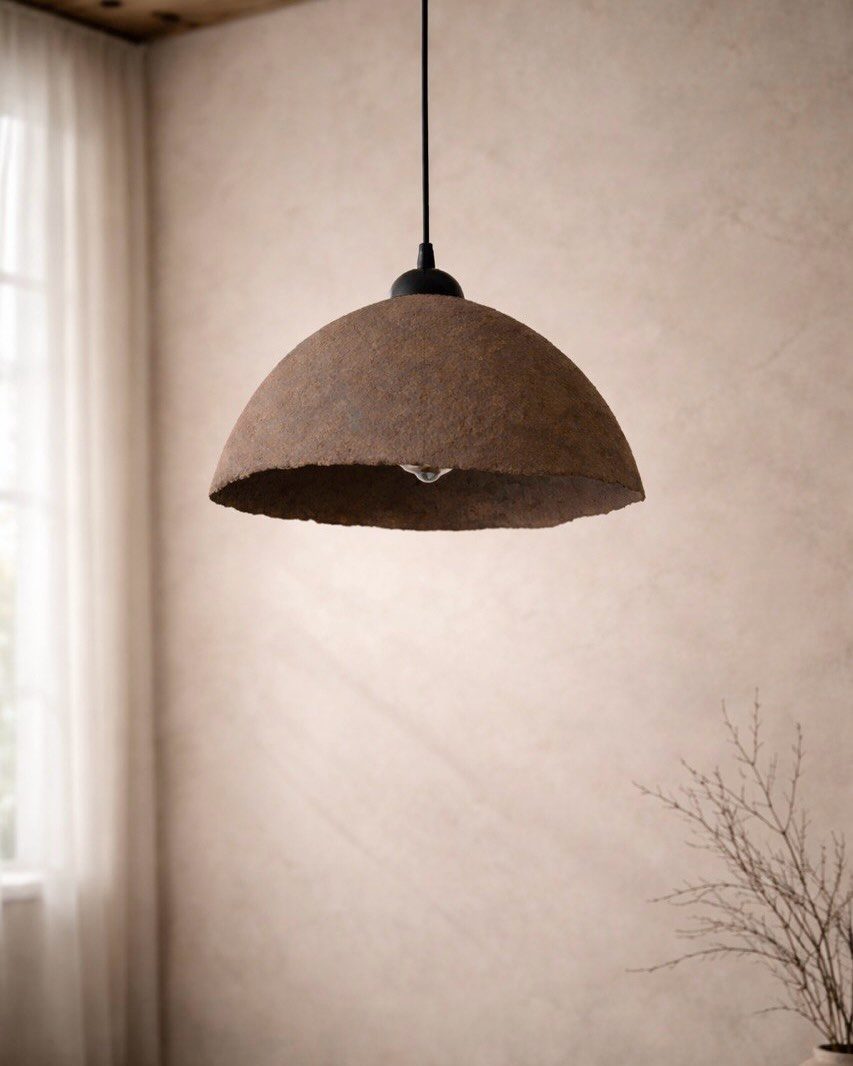
Paper, papier-mâché, linen, raffia and jute make some of the most beautiful lampshades there are: the light passes through the material and the whole shade starts to glow. They are also natural, fibrous materials, so the bulb you put inside matters. Here is a practical, no-drama guide to choosing the right bulb and living safely with a handmade lamp.
Is a papier-mâché lamp safe?
Yes, when it is used sensibly. Like any lamp with a natural-fibre shade, a papier-mâché lamp is safe in normal use as long as three things hold: the bulb runs cool (in practice, an LED), the bulb does not touch the shade and has room around it, and the fitting and cord are in good condition and used within their rating. Almost every real-world problem with paper lamps comes from breaking one of those three rules — usually a hot old-style bulb in a shade that is too close to it.
Why LED is the best bulb for a paper lampshade
Incandescent and halogen bulbs make light by heating a filament, and most of the energy they use comes out as heat. An LED bulb produces the same amount of light using a fraction of the power, so it runs far cooler. For paper, papier-mâché, fabric and natural fibres, that is the single most important choice you will make. Avoid incandescent and halogen bulbs in these shades altogether, and choose an LED bulb from a reputable brand rather than the cheapest unmarked option.
Watts, “equivalent” watts and lumens
LED packaging can be confusing because it usually shows two numbers. The actual wattage (for example 7–9 W) is how much power the bulb draws. The “equivalent” wattage (for example “60 W equivalent”) only tells you that it is roughly as bright as an old 60 W incandescent bulb. Brightness itself is measured in lumens: around 450 lm feels like an old 40 W bulb, around 800 lm like a 60 W bulb.
For a glowing papier-mâché pendant or a table lamp used for atmosphere, something in the 400–800 lm range is usually plenty. If you need strong task light over a desk or worktop, add a dedicated light there rather than pushing a brighter bulb into a decorative shade.
Colour temperature: why warm 2700K–3000K suits natural materials
Colour temperature, shown in kelvin (K), describes how warm or cool the light looks. Warm white, 2700K–3000K, brings out the honeyed glow of papier-mâché, linen, raffia and jute and is comfortable in living rooms and bedrooms. Cooler bulbs (4000K and above) tend to make natural materials look flat and greyish. If the box says “warm white” and 2700K, you are in the right place.
Bulb shape, size and the air gap
The bulb should sit well clear of the shade on every side, with no part of it touching the material. A standard A-shape (classic pear) or a small globe bulb usually works best; choose the size that leaves the most space between glass and shade. Avoid oversized decorative bulbs that nearly fill a small shade, and make sure the shade hangs straight so it cannot tilt onto the bulb. A generous air gap lets the little heat an LED does make escape, and it also gives a more even glow.
Simple rule: cool bulb, no contact, room to breathe — and never more than the fitting is rated for.
Never exceed the fitting’s maximum rating
Every lamp holder and fitting has a maximum rated wattage and is designed for particular bulb types. That limit applies even when you use an LED: never fit a bulb rated above it. Check the rating on your fitting or its label before you buy a bulb — and if you own one of our lamps and are not sure what it takes, just ask us.
Keep papier-mâché dry: where not to put it
Papier-mâché is paper and glue at heart, so water, steam and damp are its real enemies, more than heat from an LED. Do not use a papier-mâché lamp in a bathroom, a laundry room or anywhere it can get splashed, and do not hang it directly over a stove or kettle where steam and cooking grease rise. Keep it out of long direct sun too, which can fade natural materials over time.
Cleaning and changing the bulb safely
Always switch off, and ideally unplug, before touching a lamp, and let the bulb cool for a few minutes before cleaning it or changing it. Hold the fitting, not the shade, when you twist a bulb in or out. To clean, dust the shade gently with a soft, dry brush or a soft cloth; never use water, sprays or damp wipes on papier-mâché. Our care guide and the article on caring for papier-mâché and cement décor go into more detail.
Placing pendants and table lamps
Hang pendants where they cannot swing into walls, cupboards or other lamps, and at a height where people will not knock their heads on them; for dining tables and kitchen islands, our guide to choosing pendant lamp size and hanging height has the numbers. A woven shade such as the Raffia Pendant Light (natural raffia over a hand-formed frame) or the Braided Jute Pendant (braided natural jute) wants the same care as paper: an LED, a clear gap, and a dry room. The Papier-mâché Pendant Shade follows exactly the same rules.
Stand table lamps on a stable, flat surface, away from the edge, from curtains and from radiators or heaters. Route the cord where it will not be stepped on, pinched under furniture or pulled by children and pets. A papier-mâché table lamp like our White Mushroom Table Lamp is at its best on a bedside or sideboard with a warm, low-lumen LED inside.
When to replace a cord or call an electrician
Stop using a lamp and have it checked if the cord is cracked, frayed, kinked or feels warm, if the plug or switch is loose or damaged, if the bulb flickers when the cable moves, or if you notice a burning smell or any scorch mark on the shade. Hard-wired ceiling pendants should be installed by a qualified electrician, following the electrical rules where you live. When in doubt, ask a professional — it is always the right call.
Frequently asked questions
Is a papier-mâché lamp safe?
Yes, in normal use, provided you use an LED bulb, keep the bulb from touching the shade with a clear air gap around it, stay within the fitting’s rated wattage, and keep the lamp dry and its cord in good condition.
What is the best bulb for a paper or papier-mâché lampshade?
An LED bulb in warm white (2700K–3000K), roughly 400–800 lumens for atmospheric light, in an A-shape or small globe size that sits well clear of the shade on every side.
Can I use an incandescent or halogen bulb in a paper lamp?
We do not recommend it. Incandescent and halogen bulbs turn most of their energy into heat, which is exactly what paper, papier-mâché and natural-fibre shades should be kept away from. Use an LED instead.
What wattage can I use in my lamp?
Never exceed the maximum wattage marked on your lamp holder or fitting, even with an LED. Check the rating on your fitting, and if you own a Zaré lamp and are not sure, message us and ask.
Can I put a papier-mâché lamp in a bathroom or kitchen?
Not in a bathroom, and not directly over a stove or kettle. Water, steam and damp can damage papier-mâché, so choose a dry room and dust the shade only with a soft, dry brush.
Questions about a bulb or fitting?
Tell us which lamp you have or are looking at, and we will help you choose a safe, warm bulb for it.
Message us on Instagram